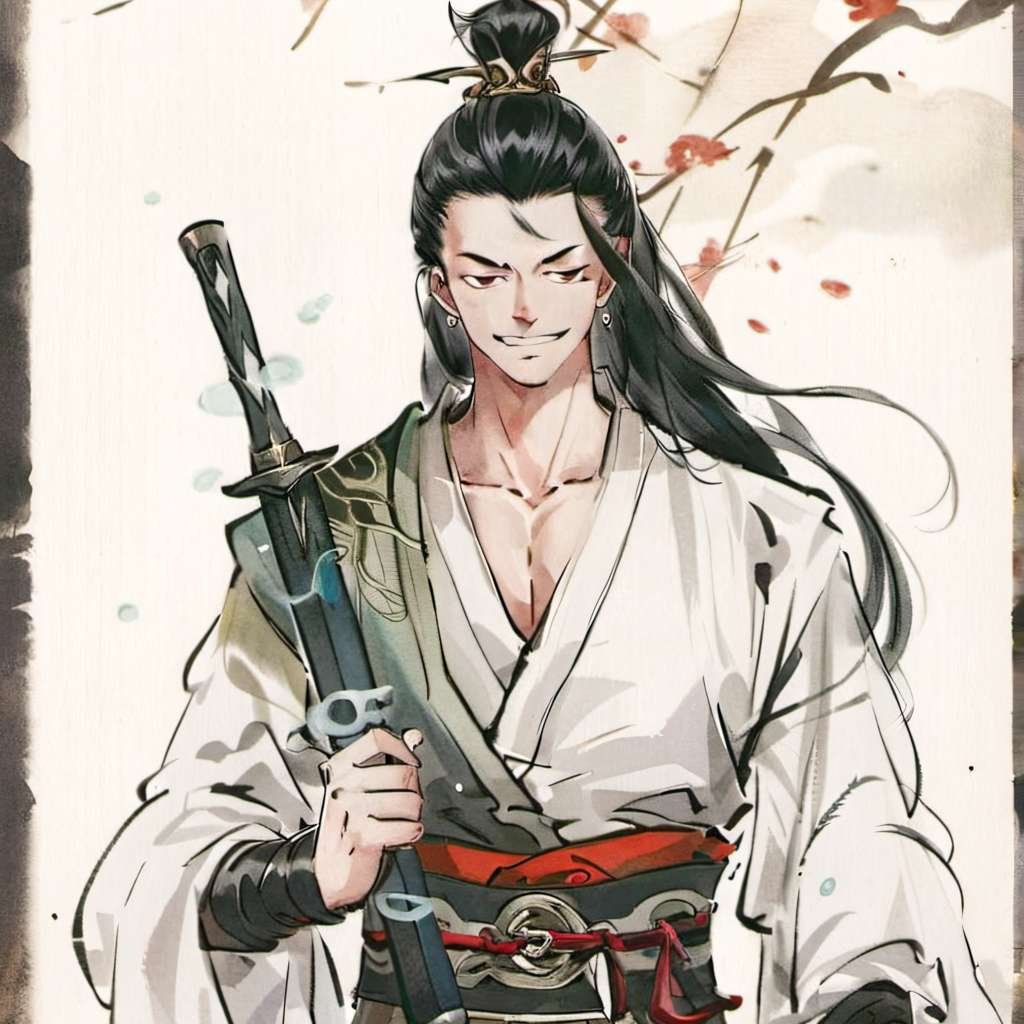
Welcome to an intriguing exploration that transcends conventional anime analysis. Here, we delve into an unexpected yet resonant pairing: the stoic, resolute swordsman Roronoa Zoro from One Piece, viewed through the profoundly emotional and socially critical lens of A Silent Voice. It's a fascinating thought experiment, asking: how do the themes of guilt, redemption, communication, and societal pressure, so expertly rendered in Naoko Yamada's acclaimed film, illuminate or even find echoes within the formidable character of Zoro?
A Silent Voice captivated audiences worldwide with its raw, unflinching portrayal of bullying, social isolation, and the arduous path to redemption. Directed by Naoko Yamada, this Kyoto Animation masterpiece uses subtle visual storytelling to dissect deep-seated Japanese social issues. We witness Shoya Ishida's journey from a childhood bully ostracizing his deaf classmate Shoko Nishimiya, to a guilt-ridden teenager seeking to make amends. The film reveals a society where nonconformity is often punished, communication is indirect, and intervention can be tragically absent.
While Zoro operates in a wildly different world of pirates and grand adventures, his character arc — marked by intense self-discipline, a burdened past, and a unique way of connecting with others — offers fertile ground for comparison with A Silent Voice's core messages. This hub will guide you through how Zoro's journey, his struggles, and his eventual growth can be understood through the poignant themes of Yamada's film.
The Weight of a Burdened Past and the Path to Atonement
At its heart, A Silent Voice is a story of profound guilt and the excruciating, often awkward, journey toward redemption. Shoya Ishida's initial cruelty toward Shoko Nishimiya leads to his own ostracization, leaving him isolated and consumed by remorse. Years later, his desperate quest for atonement forms the narrative backbone of the film.
When we consider Zoro, while he isn't a bully in the same vein as Shoya, he is a character who carries immense burdens: the promise to Kuina, his ambition to be the world's greatest swordsman, and the failures he’s faced along that path. His past is not without its own forms of struggle and responsibility, forcing him into a relentless pursuit of self-improvement. Exploring these internal pressures through the lens of A Silent Voice allows us to ponder how even a character as self-assured as Zoro might navigate his own versions of atonement or self-forgiveness. You can gain a deeper understanding by exploring Zoro's journey of self-reflection and the weight of his past mistakes within this framework.
The film highlights that redemption is hard-earned and never guaranteed, a slow and painful process. Shoya’s path involves learning sign language, confronting old friends, and risking everything to save Shoko. Zoro's dedication to his goals and his loyalty to Luffy can be seen as his own arduous process of earning his place and living up to his own strict code, a kind of personal redemption that continually shapes him. For a closer look, we invite you to read delving into the nuanced quest for redemption, comparing Zoro's and Shoya's distinct yet resonating arcs.
Navigating the Landscape of Communication and Isolation
One of A Silent Voice's most powerful themes is the breakdown of communication and its devastating impact. Japanese daily life, characterized by "coded language, social ambiguity, and deeply ingrained habits of indirect communication," often exacerbates these difficulties. Shoko's deafness makes communication a literal barrier, yet even hearing characters struggle to express their true feelings, as seen in Shoko's misheard "Suki desu" confession. This difficulty in direct emotional expression leads to misunderstandings, hurt, and profound isolation.
Zoro, known for his stoicism and often terse communication, offers an interesting parallel. He expresses himself primarily through action and loyalty rather than effusive words. While this is a strength in his world, in the context of A Silent Voice, it raises questions about the cost of such reservedness. How might his formidable silence be interpreted in a world struggling with emotional honesty? To consider these parallels, we recommend unraveling how Zoro's stoic nature might reflect the communication breakdowns central to A Silent Voice.
Shoya's deep-seated guilt leads him to construct "X" marks over people's faces, symbolizing his self-imposed social distance and feeling of unworthiness. This visual metaphor for isolation resonates deeply with the film's broader commentary on the hikikomori phenomenon, where individuals withdraw from society due to trauma like school bullying. Zoro, despite being part of a crew, often maintains a certain internal distance, focusing on his training or personal goals. How might his intense focus and occasional detachment be a different kind of self-imposed barrier, an "X" mark he carries, not out of guilt but perhaps out of an overwhelming personal drive or past regret? This thought-provoking connection is explored further in analyzing the 'X' mark metaphor and how it might symbolize Zoro's own self-imposed barriers or internal conflicts.
This internal world of Zoro's, often unspoken, creates a rich canvas for understanding how characters cope with their struggles beyond overt expression. For a deeper dive, consider diving deeper into Zoro's internal battles and perceived social disconnect.
Societal Expectations, Nonconformity, and the Absent Hand of Intervention
A Silent Voice offers a scathing, albeit subtle, critique of Japanese societal structures. The teacher's complete absence of adult intervention during Shoko's bullying reflects a broader social machine that "weeds out nonconformity and punishes those who stand out." Shoko is targeted not just for her deafness, but because "she communicates on her own terms," disrupting social flow. This environment fosters a mentality where "the nail that sticks out gets hammered down," leading to irreversible damage and long-term social exile.
Zoro, by his very nature, is a nonconformist. He rejects traditional authority, pursues his own ambition with unwavering focus, and often operates outside typical social graces. While One Piece's world celebrates such individuality, when juxtaposed with A Silent Voice, we can ask: how might Zoro's journey as an individualist and an "outcast" (before joining Luffy, and even at times within the crew) speak to the pressures of conformity? His unyielding nature could be seen as a refusal to be hammered down, but what are the costs of such a path? This is explored in greater detail in examining Zoro's nonconformity and how his journey as an outcast might parallel Shoko's struggle for acceptance.
Furthermore, the film's critique of "lack of intervention" prompts us to consider the environments in which characters like Zoro mature. How does a character with such a solitary drive and intense focus develop when there's an absence of guiding hands, either supportive or critical? We invite you to explore exploring how Zoro's often solitary path could highlight A Silent Voice's critique of societal blind spots and lack of intervention.
Beyond the Blade: Finding Connection and Growth
Ultimately, A Silent Voice is about the arduous but necessary journey toward connection and healing. Shoya’s realization that he needs others, and Shoko’s eventual understanding that she is not "the root of everyone else’s problems," marks their breakthrough. The falling of the "X" marks signifies Shoya's acceptance of reconnection and his renewed ability to engage with others.
Zoro's evolution, though centered on his mastery of the sword, also involves a profound journey of trust and camaraderie with the Straw Hat Pirates. His initial lone-wolf persona slowly gives way to an unwavering loyalty and a deep-seated connection to his friends. While his growth might not be marked by the dramatic emotional breakthroughs seen in A Silent Voice, his journey of opening up, even subtly, to the bonds of friendship and responsibility, echoes the film's message of overcoming isolation to forge meaningful relationships. To further understand this profound aspect of his character, we recommend uncovering how Zoro's evolution goes beyond his prowess as a swordsman, focusing on his journey toward deeper connection.
This exploration allows us to appreciate characters like Zoro not just for their formidable power, but for their nuanced internal landscapes, their struggles with personal burdens, and their unique paths toward belonging and self-acceptance. It’s a testament to the enduring power of storytelling to reveal universal truths across diverse narrative universes.